

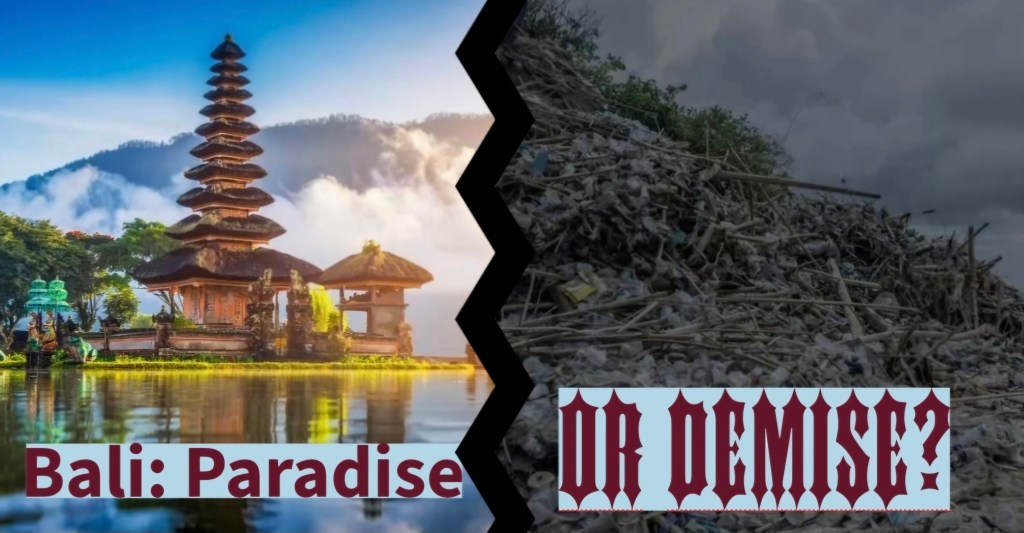
Bali on anyone’s bucket list? If so, I am not surprised, considering their stunning scenery, intricate culture, and vibrant nightlife. I will be visiting Bali in September. What could be a problem?
Welcome to Bali: Bali’s Background in Tourism
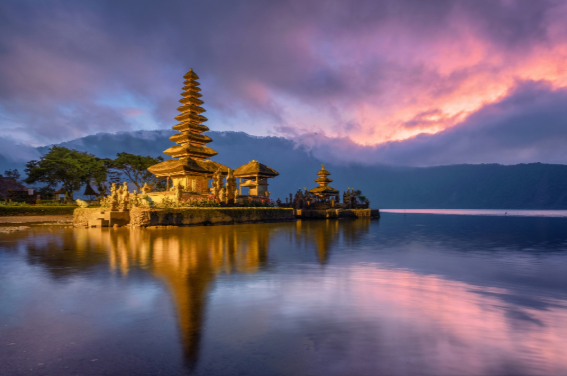
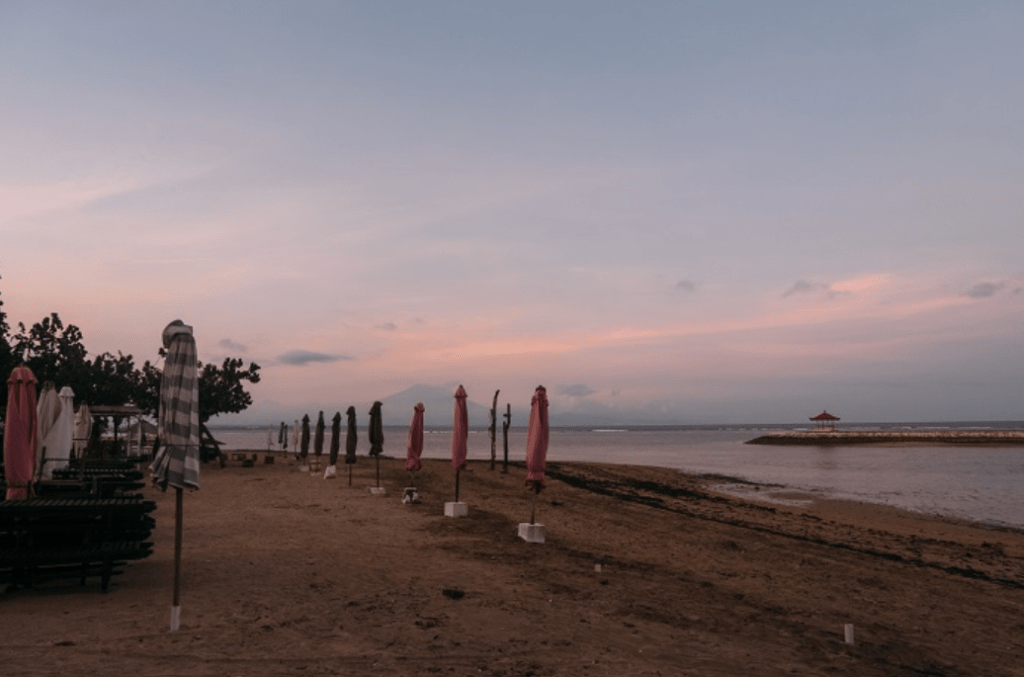
Beautiful images of Bali, including Bali’s coastline, rice paddies, and their scenery. Read on to find out how Bali’s culture and scenery could be at risk due to over-tourism. 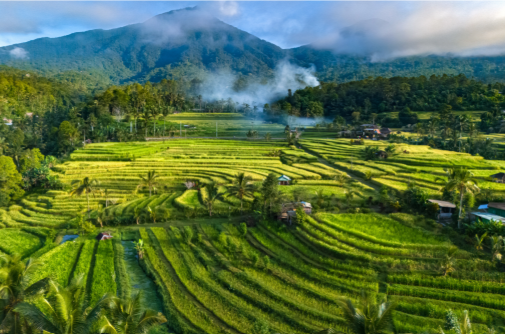
Beautiful images of Bali. Read on to discover how Bali’s culture and scenery may be at risk due to over-tourism. 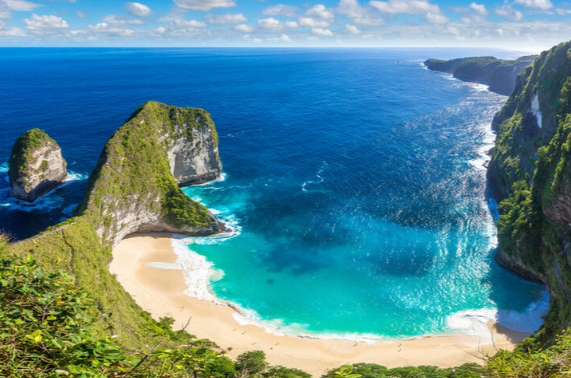
Beautiful images of Bali. Read on to discover how Bali’s culture and scenery may be at risk due to over-tourism. 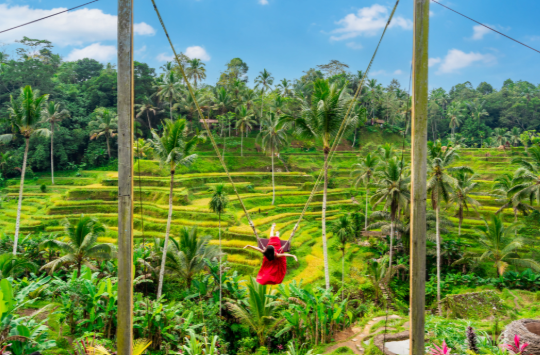
Beautiful images of Bali. Read on to discover how Bali’s culture and scenery may be at risk due to over-tourism. 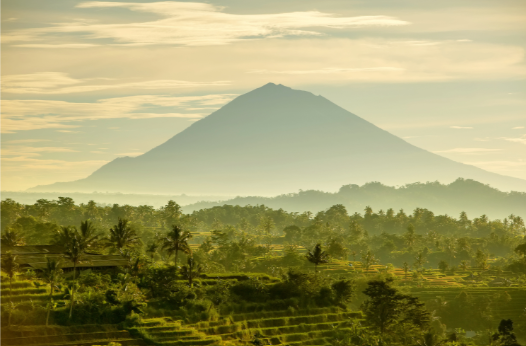
Beautiful images of Bali. Read on to discover how Bali’s culture and scenery may be at risk due to over-tourism. 
Beautiful images of Bali. Read on to discover how Bali’s culture and scenery may be at risk due to over-tourism.
Envision this. You arrive on Paradise Island. Heading out of the airport, you will soon be spoiled by miles of tranquil landscapes, golden coastlines, and serene rice paddies. You certainly wouldn’t be the only person in awe, with Bali attracting 6.3 million international tourists last year.
Therefore, it follows that Bali’s economy is heavily reliant on the tourism industry, with tourism contributing around 70% to Bali’s total economy, either directly or indirectly. However, Bali was severely impacted during the pandemic, resulting in a prolonged hiatus in tourist flows. Since then, the Indonesian government has been increasing annual tourism targets to catch up for lost time.
Yet, what did one local mean when he expressed concern that today’s high tourist levels threaten Bali’s future tourism?
I will follow this by summarising Bali’s history before illustrating the cultural, economic, and environmental ramifications of over-tourism in Bali. I will then show how visitors, businesses, and governments all have a role to play in improving the situation. However, if you are a visitor, it is not about being perfect. It’s more about being aware and trying your best, which is likely to benefit you just as much as the locals.
Bali: History Summary

According to Responsible Travel, after colonisation in 1906, the Dutch intentionally curtailed Bali’s ‘paradise image’ to cover up their ‘atrocities and avoid international embarrassment.’ As proclaimed by a local activist, the Dutch were ‘brutal.’ During the Puputan War, which resulted in the Dutch finally gaining colonial control of Bali after years of firm resistance, around 1500 people died. Meanwhile, three kings resorted to mass suicide in preference to surrendering to the Dutch.
Image of Colonel 1 Gusti Ngurah Rai, a prominent figure during the Puputan War.
Although Bali gained independence in 1945, it continued to face tragedy under Suharto’s regime, during which he served as president of Indonesia between 1967 and 1998. During the 1960s, his regime ‘purged suspected communists throughout Indonesia’, resulting in between ‘80,000 to 100,000 victims’. Concurrently, Suharto’s regime capitalised on Bali’s image by ‘granting multiple permits’ for developers to build hotels and purchase land. This enabled him and his associates to make huge profits. Then, in the 1970s, Ngurah International Airport was opened, making Bali much more accessible.
Initially, Bali was a destination known for attracting Australian surfers. However, as more developments took place, more tourists wished to visit. Mass development certainly did not curtail since the end of the regime, with vast buildings continuing to rise into the 21st century. As a result, many locals are concerned about the cultural, environmental, and economic impacts of mass development and over-tourism.

However, because Bali relies heavily on tourism, stopping it entirely would be devastating for Bali’s economy and, consequently, the Balinese people. The next section of this post will outline the impacts of over-tourism in Bali. Before we ask, how can it be made better?
Impacts of Over-Tourism in Bali
Considering Bali’s history, it would be detrimental if the Balinese people were to be subjected to further consequences due to the effects of over-tourism. Particularly if Multinational corporations are benefiting at the expense of local enterprises. Meanwhile, some foreign tourists are not adhering to Balinese customs. Unfortunately, this is part of what has been occurring, which this section will explore in further detail.
Cultural impacts of Over-Tourism in Bali:
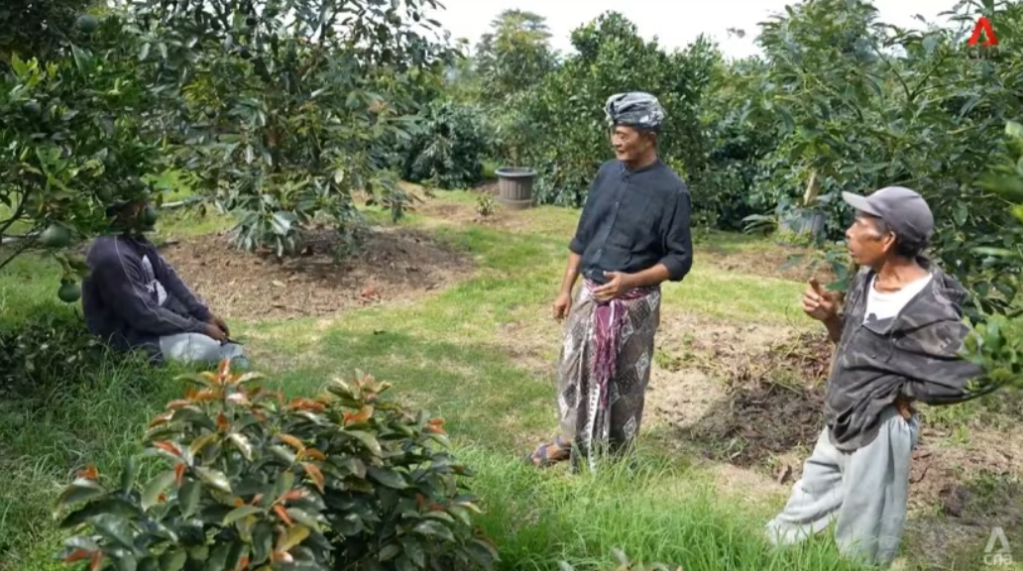
Some local farmers fear that the destruction of Bali’s rice paddies will lead to the erosion of their traditional way of life and, therefore, their culture. This is understandable, considering that rice paddies have been an integral part of Bali’s agriculture for about 2000 years.
Locals also fear that other cultural customs, including dances, are being put on ‘for show,’ leading to the popular local customs feeling more superficial.
Tourists misbehaving:
Imagine you’re visiting a popular religious monument in your home country, only to find a tourist posing nude outside it! Well, that is precisely what has happened in Bali. One Russian posed naked in front of a ‘sacred tree.’ Then a German tourist gate crashed ‘a dance performance by stripping off in the middle of a temple!’ That is just blatant disrespect. Plus, this strongly contradicts Balinese culture. These may be extreme cases, but there have also been multiple complaints of tourists acting rowdy or disrespectfully. Leading to locals understandably feeling as though their culture is being undermined in front of them.
Environmental Impacts of Over-Tourism in Bali:
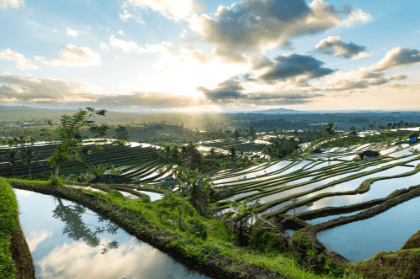
The rice paddies are not only a cultural, economic, and aesthetic asset, but they also absorb water during the ‘rainy season.’ Consequently, eliminating them could increase the risk of flooding.
Moreover, over half of the groundwater is used for the ‘tourism industry,’ including for ‘baths, showers, swimming pools, laundries, and landscaped gardens.’
Coupled with poor sustainability practices, including a lack of ‘desire to plant trees’ and ‘non-existent’ waste management, it is no wonder that both experts and locals are concerned about the environmental impact and the resulting economic and social impact of environmental degradation.
Wildlife Tourism in Bali:
Wildlife also plays an integral role in the environment. Nevertheless, the 2017 Holidays that Harm report revealed that ‘100% of venues with elephants, tigers, dolphins or civet cats, and 80% of those with captive wild primates did not meet even the basic needs of captive wild animals within Bali and Lombok.
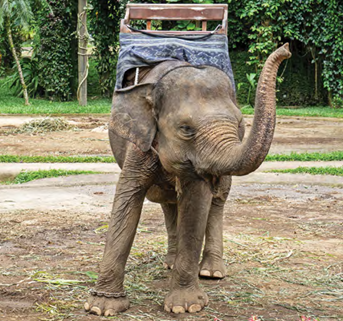
Elephants are often used not only for rides but also for show performances, bathing, and to ‘paint pictures for sale.’ Other animals, including dolphins, are frequently used in show performances.
Because wild animals have not evolved to be comfortable closely interacting with people, this results in a ‘stress response.’ But to overcome this problem, animals are often ‘chained,’ ‘isolated,’ or ‘starved.’
Economic Impacts of Over-Tourism in Bali:
‘But tourists are good for the economy, right?’ One may assume that the short answer would be a plain yes. However, what if over-tourism ruins Bali’s reputation? Or leads Bali’s decline into disrepute.
Economic Benefits
It is essential to note that a local expert has pointed out that the increase in tourism has generally benefited the economy. Meanwhile, the founder of a local women’s charity claimed that the rise in tourism had benefited local women. This is because the tourism sector has provided jobs for women who may not have previously been in work. She claims that this has improved women’s well-being and enabled them to achieve some financial independence. Although, these jobs are often relatively low-paid and ‘low-skilled.’
Economic Pitfalls
In contrast, those who benefit the most are not local women or even local business owners. Instead, most of the money floods back into the pockets of travel and development companies.
What’s more, although rice paddies support Bali’s food production and farming industry, many farmers are finding it more lucrative to sell their rice fields to developers. Consequently, this could disrupt part of Bali’s traditional economy. But seeing their rice paddies as an integral part of Bali’s culture and environment would also contribute to undermining this. Rapid foreign development, with little adaptation to Balinese culture, might be having a similar impact.

Therefore, it becomes clear that economic, cultural, and environmental impacts can often be interconnected. And we are in a bit of a conundrum. I am sure that many tourists visit Bali because they are attracted to the culture and environment. But if Bali’s culture and environment are eradicated, then what would be left? Not to mention the immense impact this would have on the locals!
However, the good news is that tourists, businesses, and governments can inspire and enact positive change, ultimately leading to the preservation of Bali. The following section will address what tourists, businesses, and governments can and have done to mitigate the impacts of over-tourism.
What can be done about Bali’s Over-Tourism
Something must be done! Yet, I understand the feeling that, as an individual, whatever you do is unlikely to have much of an impact. The good news is that businesses and governments can and do respond to traveller’s demands. Therefore, this section will combine actions that can be taken with those that have already been taken to combat the problems associated with over-tourism.
What can you do as a tourist:
There are quieter areas in and around Bali that you can visit. Not only would this mitigate the impacts of overcrowding, but it would provide a better experience for you as a tourist. Furthermore, visit at off-peak times, when there are likely to be fewer tourists around.
Moreover, utilise locally run amenities, take locally run tours, and purchase from locally owned businesses. This way, you are directly supporting the locals and their community rather than feeding the already full pockets of large corporations. This is likely to benefit you because you gain a stronger insight into the local culture. Buying from locals when travelling can also often save you money.
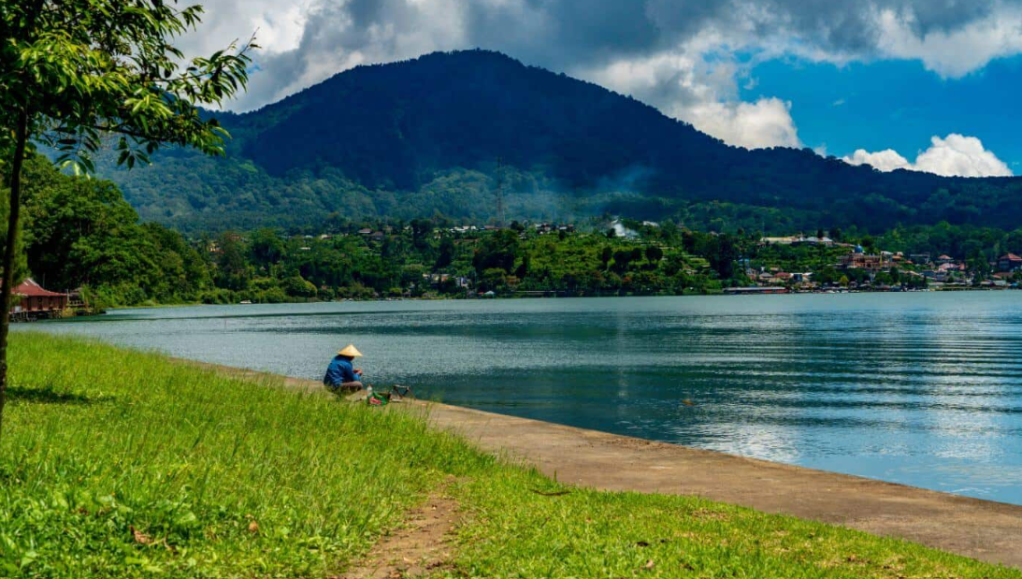

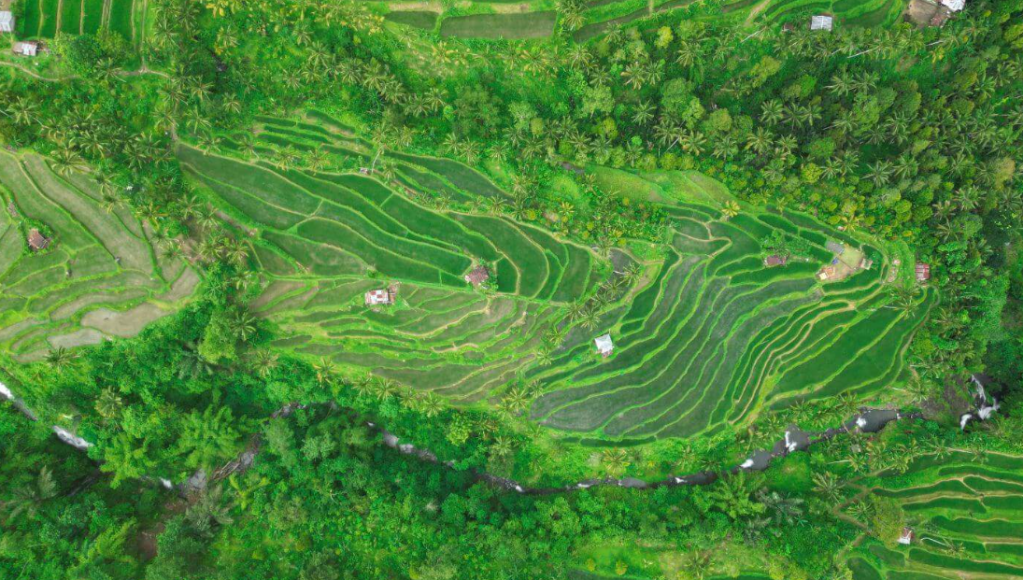
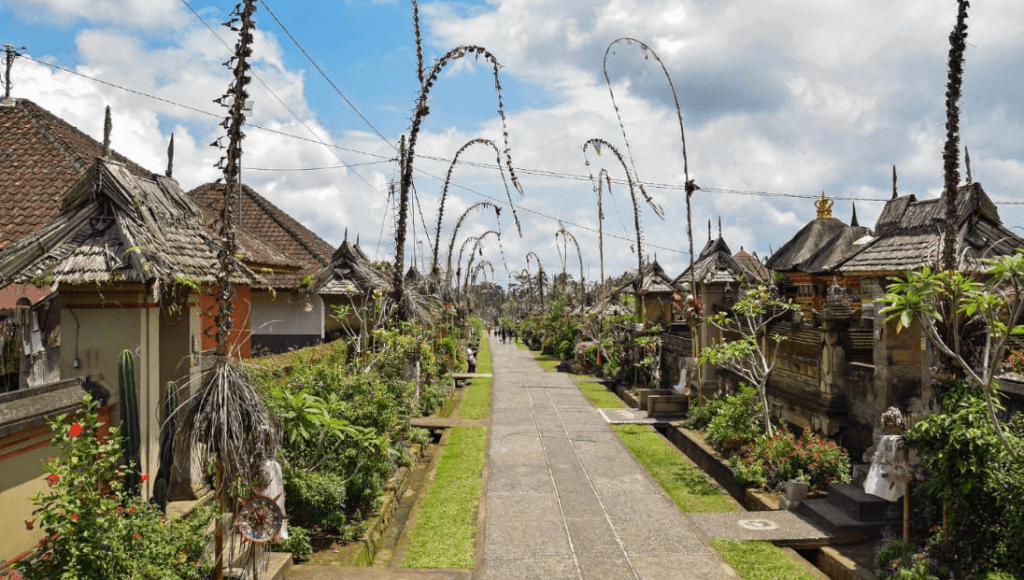

‘Balipedia’ recommends many quiet places to stay and retreats in Bali to escape the tourists. For example, you can visit a local village or explore less well-known areas. Moreover, you can join a jewellery-making workshop, although take care to ensure that the company is locally owned.
Finally, take a moment to research the local cultural customs before your visit. This doesn’t mean spending hours reading through multiple articles. Instead, simply checking dress etiquette and reading about behaviours that are considered unacceptable go a long way- for locals and travellers alike.
What can businesses do?
Travel companies could focus more on taking people to locally run outlets and educating visitors about local customs and traditions. This provides a more immersive experience for tourists and benefits the locals!
Foreign businesses, such as hotels, could promote the sale of local produce, thereby benefiting the local community. For example, they could sell local artisanal products or purchase locally sourced food.

Some companies have also begun taking tourists to more off-the-beaten-path destinations. In part, this is a response to tourists not wanting to be in crowded areas. Alternatively, some companies promote ‘dupe destinations,’ which offer a similar experience to notorious tourist destinations but are quieter and less expensive.
What could governments do?
Bali introduced a small tourism tax in February 2024, which is equivalent to around £7.50. The tax is not unique to Bali, with multiple countries and locations having recently introduced the tax. Yet, it was found that just 35% of tourists actually pay for it! According to Tjokorda Bagus Pemayun, head of the Bali Provincial Tourism Office, when tourists are at the airport, no one checks to see if they’ve paid the tax. He suggests that the tourist sector should collaborate to ‘help encourage more tourists to pay the fee, and to make it easier for them to do so.’
Whilst not specific to Bali, there have been discussions about increasing the prices of tourist activities for tourists while keeping them the same for locals. Developing countries are often considerably cheaper than developed countries. On the one hand, this enables the local government and economy to benefit more from the tourism sector, whilst keeping tourism under control. Nevertheless, more affordable countries are popular with budget travellers, and it is essential that travel is accessible to as many people as possible. How do you feel about tourism taxes or charging tourists more than locals? These ideas are widely debated, so I would be interested in hearing your perspective on this topic in the comments.
Also, in 2025, the Indonesian government ‘announced the acceleration of the Clean Tourism Movement.’ This entailed tackling littered beaches by improving waste management, engaging with multiple stakeholders, including ‘local communities,’ and ‘promoting public awareness campaigns.’ Bali’s local government is also stamping down on tourist misconduct and ensuring that in certain parts of Bali, tourists are accompanied by a tour guide to reduce the risk of cultural insensitivity. The government also recently initiated a moratorium on new developments occurring in particularly dense areas of the island. Then, just a couple of weeks ago, at the ‘Bali and Beyond Travel Fair (BBTF), a commitment to sustainable tourism was announced. A particular emphasis was placed on preserving the authenticity of Bali’s ‘cultural villages.’ Therefore, recently, authorities have made an effort to preserve Bali’s culture and heritage.
Back to Paradise?
From all of this, the main takeaway is that tourism is certainly not inherently harmful. Instead, sustainable practices and tourism must go hand in hand to ensure the preservation of tourism and, consequently, the economies that depend on it. Bali this week indicates that the government’s move to focus on sustainable tourism was partly a response to changes in tourists’ priorities in seeking a deeper connection with places. It therefore follows that governments and businesses would want to do their part to meet the demands of tourists. Concurrently, when tourists and travellers are aware of sustainable practices, favorable policies that benefit everyone can be implemented. Nevertheless, businesses and authorities need to respond and act upon these demands. Because it would be impossible for tourists to appreciate authentic experiences in Bali or elsewhere if authenticity were no longer present. I would also say it is equally, if not more pertinent that travellers and authorities consider the needs and wellbeing of locals.
Finally, thank you for reading this post! I know that it was quite a lengthy one. Still, as I promised in my first post, I aim to use this blog to raise awareness of ethical issues related to travel, as well as to share my own solo travel experiences. If you enjoyed this post, are interested in sustainable travel, or would like to hear more about my experiences, please subscribe so you don’t miss my next post!
And if you enjoy ‘aesthetically pleasing’ travel photos, then please follow me on Instagram and TikTok.


Leave a reply to Rethinking Euro Summer – Rosy Ramblings Cancel reply