

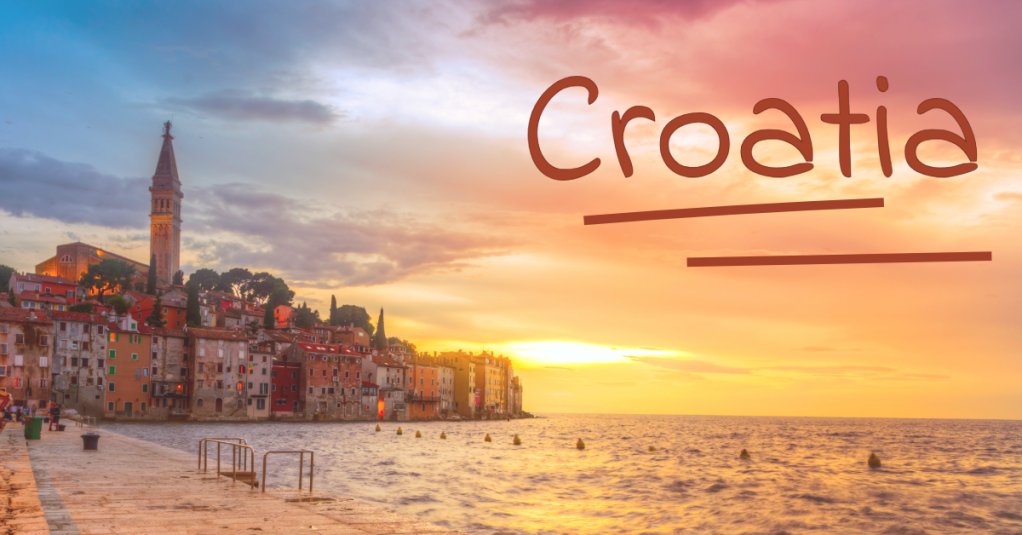
Welcome! Why I’m creating these fact files
Welcome to the fact file on the countries that I will soon be visiting. I am putting this together, firstly for myself, because I wish to gain some background knowledge of countries before visiting them. This, of course, includes popular things to do. However, I also want to learn a little about a country’s background, culture, and customs. On many sites, there are multiple suggestions of things to do (which all look great, don’t get me wrong). Still, there is little information on a country’s background. Conversely, pages focusing on a country’s background are excellent but often contain so much information that I find it hard to digest.
Therefore, I wish to go somewhere in the middle. If you want to learn some facts about a country but do not have time to spend hours reading through information, these posts might be for you. I have included all the sources I used for research, so please review them if you wish to learn more about a specific area.
Finally, I believe in the benefits of ‘slow travel,’ therefore whilst the mainly touristy destinations suggestions here provide a good starting point, if you have enough time, I also recommend engaging in less popular activities.
Croatia’s Geography
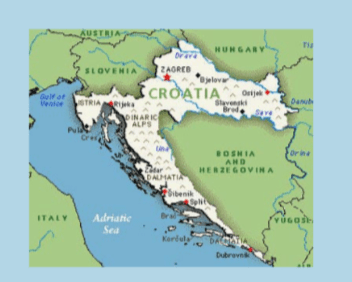
With vast miles of coastline, picturesque landscapes, and rich cities, it is no wonder why so many tourists choose to flock there. Located in Southeastern Europe, along the Adriatic Sea, you would also be blessed with a warm, sunny climate and an ample choice of countries to visit afterward. Although, Croatia’s vast land and culture means that you would be very unlikely to run out of things to see and do.
Croatia’s History
For centuries, Croatia had been under the control of multiple empires. To provide a short summary of recent history, the Nazis invaded in 1941, and Croatia was then composed of ‘most of Bosnia and western Serbia,’ headed by a fascist government run under Ante Pavelic. Hundreds and thousands of people died when there was a purge of Serbs and Jews, as the fascist government wanted ‘a catholic, all-Croat republic’. The communist partisans launched a resistance campaign, which ultimately led to Josip Broz Tito becoming the head of the Yugoslav Socialist Federation, with Croatia as one of its six republics.
In 1980, following Tito’s death, the individual republics sought independence as Yugoslavia slowly began to fall apart. A year later, communism collapsed in Eastern Europe, leading to Croatia’s final declaration of independence in 1991.
However, this initially led to brutality, with the Bosnian war lasting until 1995 and authoritarian nationalism remaining for years after. It is strongly recommended not to mention the war to locals because it is likely to be fresh in many people’s minds. Eventually, Croatia joined the European Union (EU) in 2013. With the support of the United Nations (UN), Croatia regained a significant portion of its territory. Croatia currently has a president and a prime minister and is considered a democracy.
If you are interested in history or want to learn more, I recommend watching the video below. This provides a comprehensive overview of Croatia’s history, encompassing both recent and less recent events. Just tap on the image to watch!

Croatia’s Culture and Customs
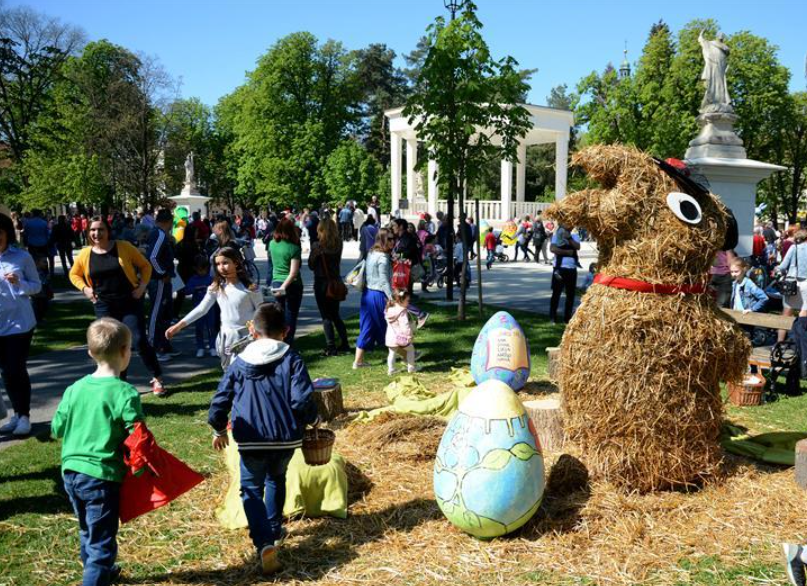
Croatia’s geographic location enables Croatia to embrace both European and Balkan cultures. Although Croatians stress that they are very different from the Serbs, so don’t confuse them in conversation. The dominant religion is Roman Catholicism, and Croatians observe catholic holidays. The massive Easter bunny is hard to miss, but notice also the beautifully painted eggs.
Other key events include ‘Anti-Fascist Resistance Day’ on June 22nd, which celebrates the formation of ‘the first partisan unit in Croatia in 1941’. They also celebrate ‘Statehood Day,’ which marks their ‘declaration of independence from Yugoslavia,’ and ‘Independence Day’ is when Croatia ‘formally broke with Yugoslavia.’ This image captures Croatian’s celebrating ‘Independence Day’.

As people, Croatians are known to prioritise family life and be assertive when talking. Meanwhile, if you enjoy football, you will likely get along well with Croatians.
Croatia’s Art, Fashion and food
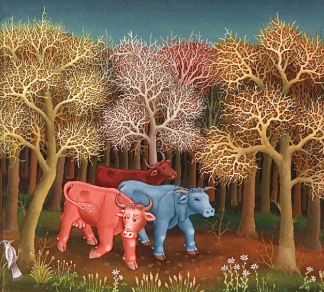
Croatia is also renowned for its art, with Ivan Meštrović, Vlaho Bukovac, and Ivan Generalic being just a few well-known artists. The number of popular art galleries in Croatia reflects this. This image features ‘Cows in the Woods’, by Ivan Generalic.
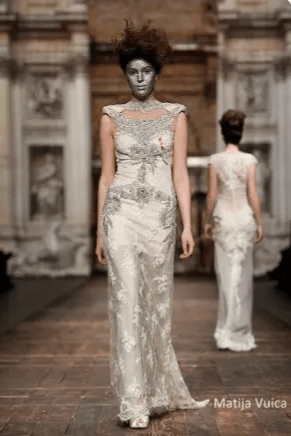
Croatian fashion is also impressive, where ‘traditional influences’ are often combined with ‘modern trends.’ Two leading Croatian fashion designers are Aleksandra Dojčinović and Matija Vuica. Therefore, it is understandable that it is commonplace to take pride in what you are wearing in Croatia. This image features one of Matija’s designs.
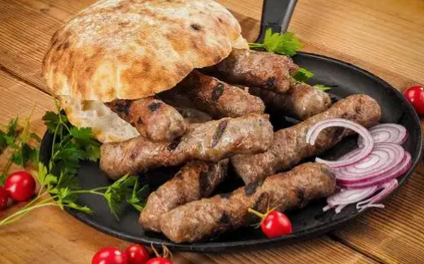
Finally, the food in Croatia is influenced by Turkish, Central European, and Italian influences. Popular dishes include ‘cabbage leaves stuffed with minced meat,’ ‘cevapcici’ (rolls of seasoned grilled meat,’ ‘dumplings,’ and ‘pickles.’ More importantly, Croatia is well known for its wine!
Random facts that no one asked for:
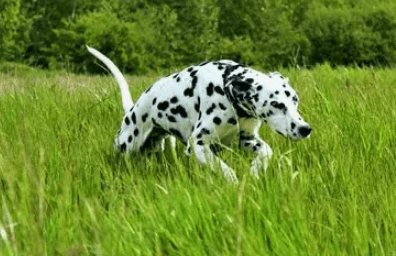
- You know all of those tiny little islands running off Croatia’s coastline? Well, they are known as the Dalmatia islands. But did you know that the Dalmatian dog was named after them? I swear I remember learning about them and wondering why they were called the Dalamatia Islands. At the time, I guessed it would have been the other way around. But I’m sure that these islands have been around for a very long time.
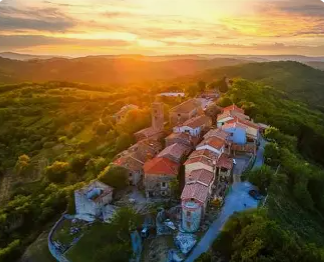
2. Croatia is home to Hum, the world’s smallest town, with a population of just 30! Hopefully, the people living there get on with their neighbours! This image features the town of Hum.
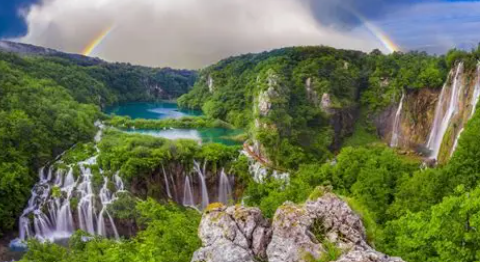
3. Croatia has 21 elements on the UNESCO list of Intangible Cultural Heritage. Only six countries top Croatia! This image features Plitvice Lakes National park, One of Croatia’s UNESCO intangible cultural heritage sites.
Things to do in Croatia:
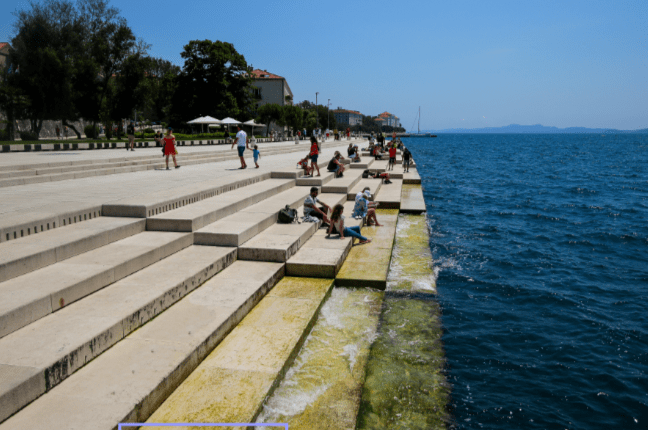
1. The Sea Organ in Zadar
The Sea organ uses sea waves to make music. The music plays constantly, whilst the music changes depending on the sea’s movement. To immerse yourself, you can sit on the steps as the sea crashes against you.
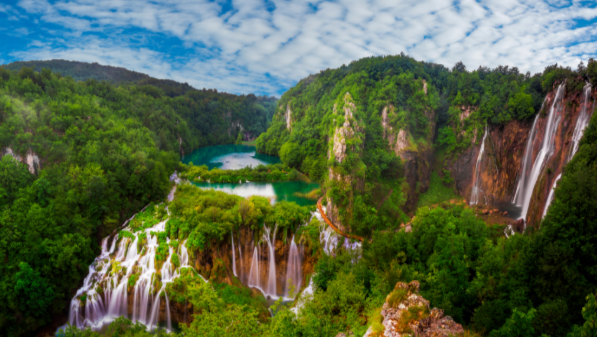
2. Plitvice Lakes National Park
This is a UNESCO-listed national park and is surrounded by waterfalls, lakes, and ponds. Wooden boardwalks make the vast nature accessible.
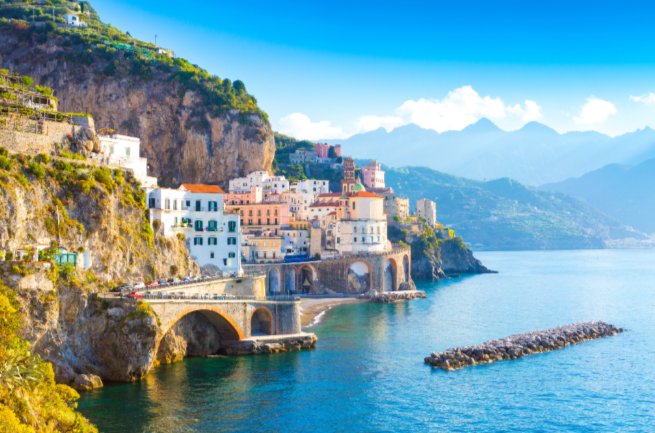
3. Dubrovnik City
Another popular place to visit is Dubrovnik. Given that it is home to multiple churches, medieval monasteries, and centuries-old residential quarters, it is not surprising. If you love a good cityscape against a Mediterranean backdrop, then this city is for you. With multiple historical sites to explore and a cable car, there is something for everyone!
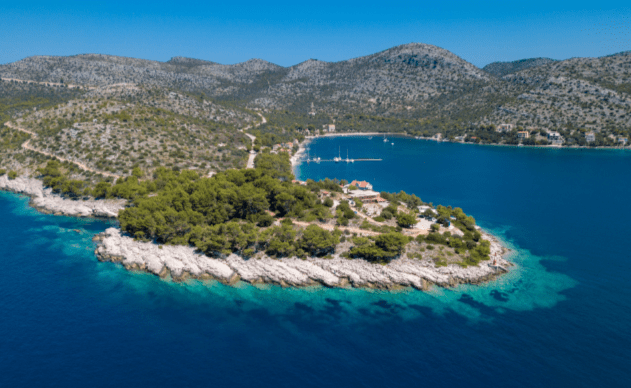
4. Latsovo
It is a gorgeous island with a calming village. Yeah, look at the picture. It’s just beautiful!
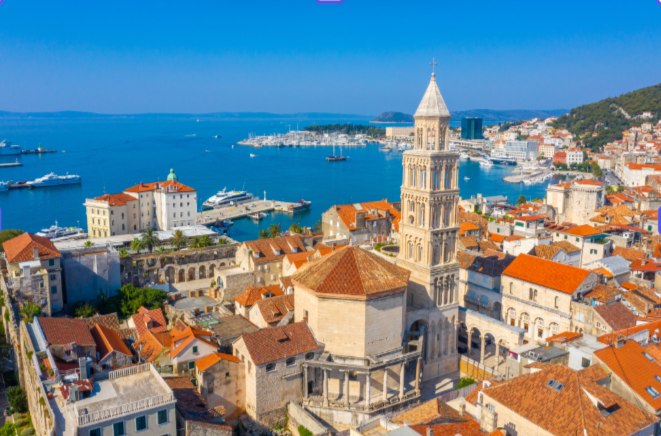
5. Split
Sorry, I had to mention Split because that is where I will be visiting! Whilst I chose to go to Split partly because it made sense practically, the city is bustling with history, art, architecture, and stunning landscapes. You can even go on a speed boat tour to see the blue caves and go scuba diving when there!
Finally, thank you for reading Croatia’s fact file. Please let me know if you have learned something new or if there was anything that surprised you about Croatia. My next post in this series will focus on Greece, so expect a melange of nerdy information on their philosophy and ancient history coupled with fun Mama Mia Islands to visit! If you enjoyed this post, if you are interested in ethical issues revolving around travel, or if you want to travel but are experiencing doubts, this blog might be for you.
Therefore, please make sure to subscribe so you don’t miss out on future posts. Meanwhile, for aesthetically pleasing travel photos and reels to more of me yapping, please follow me on Instagram.
 Empowering_Ethical_Travel
Leave a comment