

Sustainable travel and our actions
As you may know, I strongly advocate for sustainable travel. I understand that the definitions can seem somewhat arbitrary, particularly when many companies choose to engage in greenwashing. But to me, sustainable travel means multiple people, companies, and agencies working together to ensure that travel is most beneficial for both local communities and tourists.
More of the responsibility lies with governments and businesses rather than tourists. Most tourists lack the time to invest in learning about sustainability and may face numerous barriers to accessing sustainable tourism—especially when governments and businesses appear to be working in the opposite direction. That said, we can all still try our best. And as someone who will be travelling for an extended period, I want to do my best to travel sustainably, raise awareness, and spark discussions—because we can all learn so much from one another.
The third point is what I will be focusing on today. Because reading about sustainable tourism is one thing, but practising it is much more challenging. Each area has its nuances, and so does each person. So, please leave your thoughts in the comments!
Can you be an a@%$hole just by taking photos?
My own experience
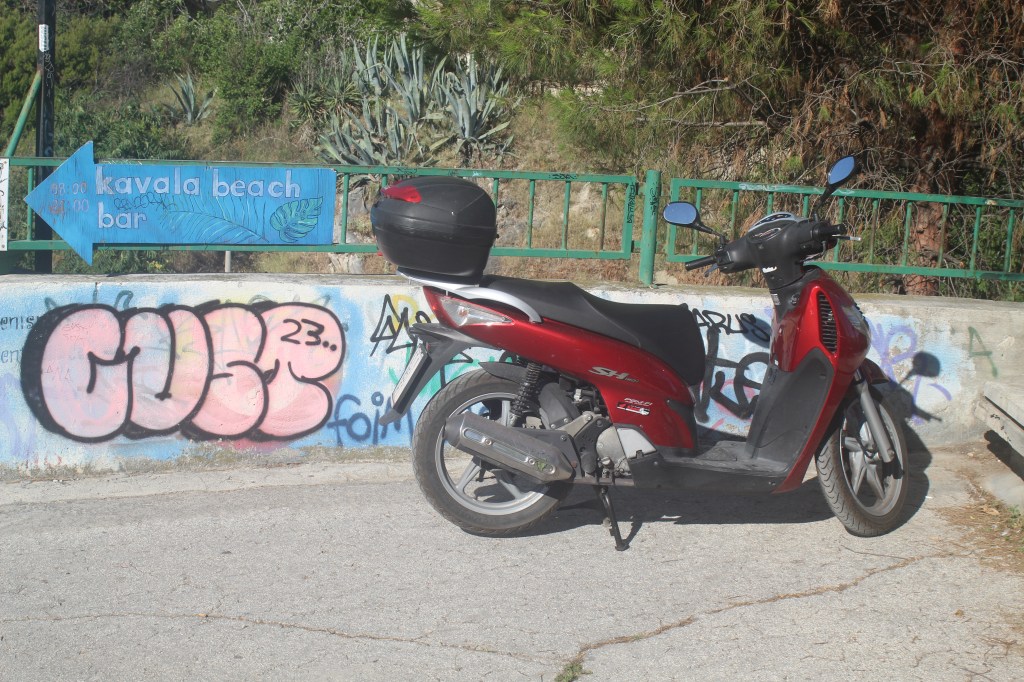
The first occasion that got me thinking was when I was heading back to my accommodation. I was walking with my camera around my neck, and every so often, I would stop and take a photo. Seems pretty innocent. But these were thin paths, which few people had ventured along before. The area I was in was also a mixture of tourists and locals. Maybe it was in my head, but I noticed that one or two people looked slightly irritated when they saw me stop in the street to take photos—even though I was intentionally photographing the street, which included the exteriors of people’s homes. As people approached, I was careful to get out of the way and to put the camera down.
The first question it raised was whether it is ethical to take photos of other people. I wouldn’t mind people taking pictures of me from a distance. However, I would not be happy if someone took a close-up without asking. I think the rules would differ too, depending on the photographer’s gender. If it were a woman taking the photos—provided it wasn’t super close-up—I wouldn’t mind. But if the photographer were male, I think I’d feel slightly different, even if he weren’t doing anything wrong at all.
Poverty porn: Photography within developing countries
I think that stems from gender issues, which brings me onto my next point. If a tourist were taking a street view photo of my house or filming me amongst others from a distance, I don’t think I’d mind—provided they weren’t gawping in or taking multiple photos of just my home, or myself alone.
Nevertheless, I’m from a developed country. In contrast, billions of people are less fortunate than I am. And is it okay for wealthy tourists to take multiple photos of people in developing countries, “to see how they live”, without even contributing to their community? I’m not too sure. I believe that the Western portrayal of developing countries—or at least those in the Global South—is often inaccurate. Therefore, people may be excited to tour these communities to see what they are like, despite having inaccurate background information.
I am sure that most photographers, tourists, and travellers do not intend to do this, but it’s about the power dynamic. A substantial proportion of people in developing countries would never be able to travel—often thousands of kilometres—to visit developed countries or even others nearby. Overall, many people in developing countries would dream of having half of the general opportunities that tourists from developed countries often take for granted.
My gut feeling is that tourists should have a basic understanding of the challenges communities face in developing countries before going on these excursions. However, the average tourist (i.e. someone who only gets to go abroad once or twice a year, if they’re lucky) is likely to be curious as well. They are also likely to have jobs and/or families, and therefore little time to conduct research. But people who choose to travel for an extended period have more time to research and develop awareness of these issues. And companies have even more time to consider the ethical problems when organising events like tours. So companies have significantly more power in this realm compared to tourists.
So why do many companies display photos that, to me, seem inappropriate? A typical example would be a ‘volunteering’ company featuring an image of a stereotypically attractive blonde woman alongside a large group of seven-year-old orphans. When marketed in this way, these experiences become appealing, and people subsequently choose to act accordingly. Companies should take more responsibility for how they sell their tours and packages, because this profoundly impacts people’s perspectives and often strengthens misconceptions.
How about not knowing how to speak the language?
At the time of writing this post, it is less than two weeks since I initially flew to Croatia. Since then, I’ve gone through Albania. And because I was only in these areas for a short period, I didn’t take any time to learn either language beforehand.
While in Croatia and Albania, I was amazed by the proportion of locals who spoke fluent English. Yet I couldn’t say a word in their languages.
It meant that, as a tourist, I could easily navigate the world around me without having to do anything. I knew that English is a widely spoken second language, but I questioned whether it was okay for me to be somewhere and not know a few basic phrases.
A basic answer might be, “It is what it is.” And in a way, that’s true. If English is your first language, then you’ve most likely grown up listening to music in your native language, travelling abroad and encountering waiters who speak your language—and if there’s someone in your country who doesn’t speak perfect English, then God forbid! In contrast, those with other first languages probably still experience strong Western influences and are taught why it’s so important to learn English.
I’m unsure how locals feel about this. However, regardless of whether English is your first language or not, it’s something we often overlook because it’s so ingrained. It’s something to be aware of—and if you have the time, then learn a few phrases in the language of the country you’re visiting, even if the locals speak better English than you do! It’s about showing more respect for locals, while still understanding that it’s a learning process.
So should we treat others as we wish to be treated when travelling?
Treating others as you wish to be treated is a good starting point for travel. Nevertheless, people’s situations vary enough within one city, let alone across the world. Therefore, when travelling, it’s about learning about different situations and cultures, and taking the time to show respect for local communities.
It’s not about doing everything or burning yourself out over a short trip. It’s about trying your best in your situation and learning from it along the way. Even just being aware of how people’s situations vary so much can enable more ethical encounters. Yet I understand that this is a very nuanced topic—and one on which I have a lot to learn—to the point where my questioning inspired this post.
Particularly because of this final point, please share your thoughts, knowledge, and insight in the comments.
Finally, if you enjoyed this post, please subscribe so you don’t miss out on upcoming content featuring my personal experiences with travel, presented with an understanding approach to sustainable travel. And if you’re a sucker for sunsets and wouldn’t mind seeing plenty of sunset and travel photos, then please follow me on Instagram!
 Empowering_Ethical_Travel
Leave a comment